US Navy Seizes 1 Iranian Cargo Ship Near Strait of Hormuz US Navy Seizes Iranian Cargo Ship Near Strait of…
 English Articles
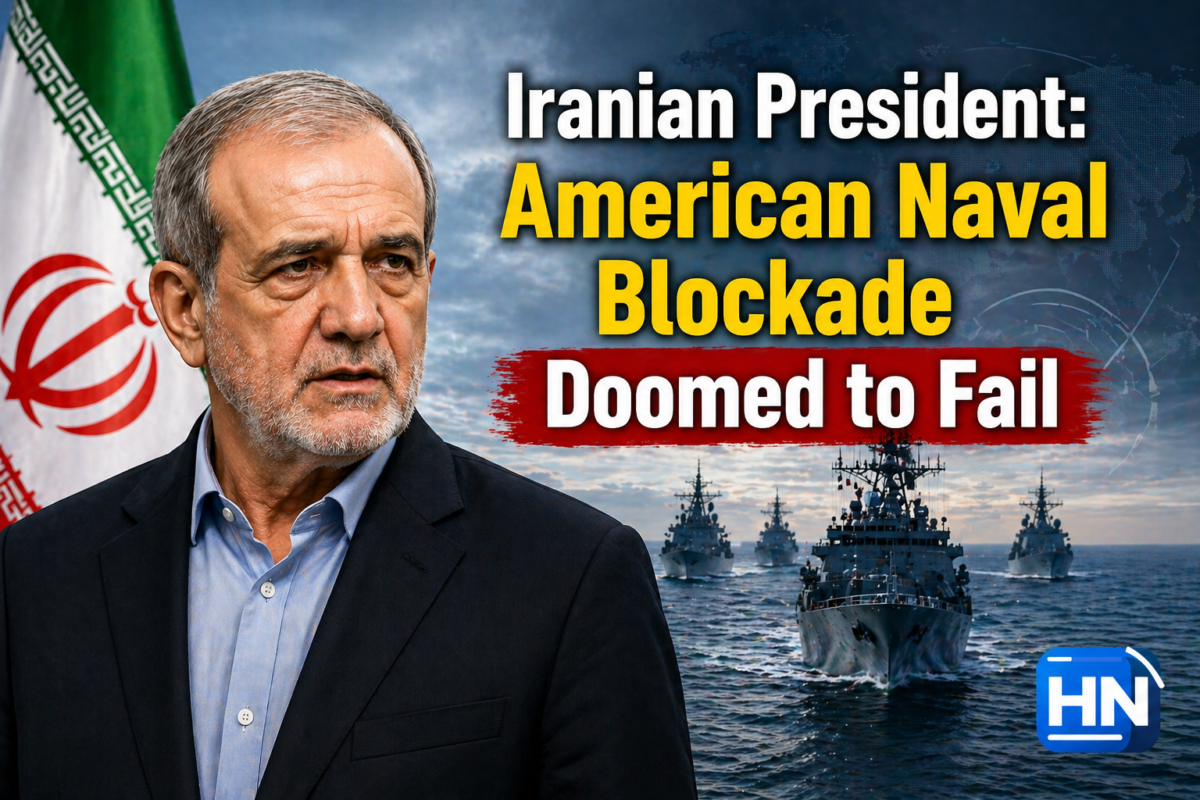
Iranian President: American Naval Blockade Doomed to Fail
Iranian President: American Naval Blockade Doomed to Fail
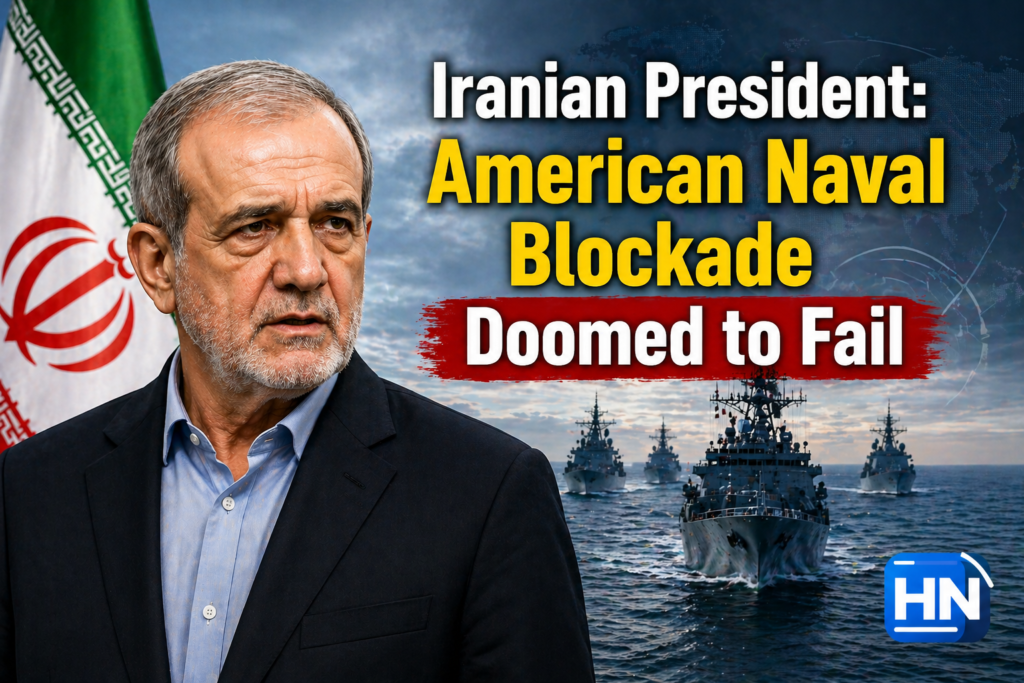
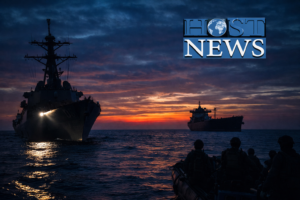
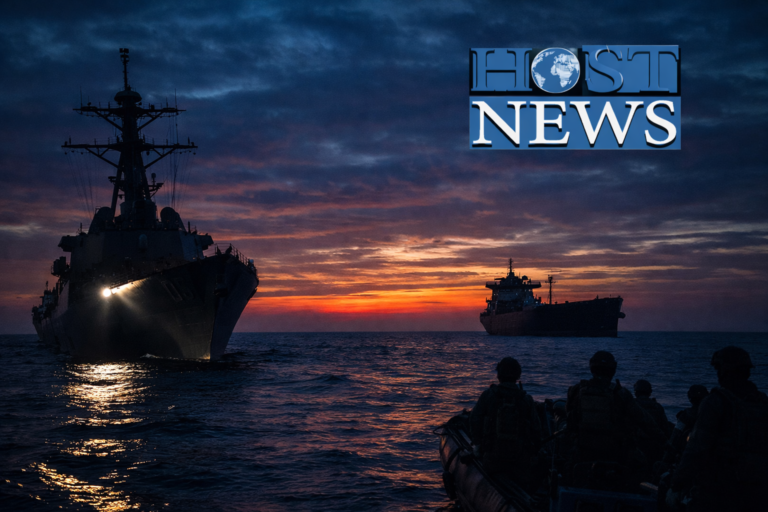
Iranian President Masoud Pezeshkian declared on Thursday that the American naval blockade imposed on Iranian ports will deepen instability across the Gulf region and will ultimately fail to achieve its stated objectives, warning that such measures contradict international law and threaten long-term regional security.
تابع HOSTNEWS على تيليغرام
احصل على آخر الأخبار فور حدوثها.
Speaking in an official statement carried by Agence France-Presse (AFP), Pezeshkian said: “Any attempt to impose a naval blockade or similar restrictions that contradict international law will be doomed to failure.” The Iranian president did not mince words, framing the American move as not only legally questionable but strategically counterproductive.
A Policy Destined to Backfire
Pezeshkian argued that Washington’s escalatory approach will produce the opposite of its intended effect. “These measures will not only fail to enhance regional security, but will in fact constitute a source of tension and a disruption to lasting stability in the Gulf,” he said, signaling that Tehran views the blockade as an act of economic warfare rather than a legitimate security measure.
The statement comes amid a broader escalation of pressure by the United States on Iran, as Washington continues to tighten economic sanctions and now moves toward a naval containment strategy targeting Iranian ports. Iranian officials have consistently rejected such pressure as illegal and ineffective, insisting that Iran will not yield to what they describe as coercive diplomacy.
Legal and Diplomatic Dimensions
From Tehran’s perspective, the imposition of a naval blockade without United Nations authorization represents a clear violation of international maritime law. Legal experts have long noted that unilateral blockades — particularly those enforced outside the framework of the UN Security Council — occupy a deeply contested space under international law. Iran is expected to raise the matter through diplomatic channels and may seek support from regional and international partners to challenge the legitimacy of the measure.
The Gulf region, through which a significant portion of the world’s oil supply passes, is particularly sensitive to any form of naval disruption. A blockade on Iranian ports risks triggering broader economic consequences, including volatility in global energy markets, that extend far beyond the immediate parties to the conflict.
Regional Reactions and Gulf Stability
Gulf Arab states, many of which maintain delicate balancing acts between their security ties with Washington and their economic interests in regional stability, are watching the situation closely. Any prolonged naval standoff in the Gulf could disrupt shipping lanes, impact oil exports, and raise insurance costs for vessels transiting the region — outcomes that no Gulf state would welcome.
Iran, for its part, has historically responded to naval pressure by signaling its capacity to disrupt traffic through the Strait of Hormuz, the narrow chokepoint through which roughly 20 percent of globally traded oil flows. While Tehran has stopped short of explicit threats in this latest round, the implicit leverage remains a central element of its deterrence posture.
Tehran’s Defiant Stance
President Pezeshkian’s remarks reflect a broader pattern of defiance that has characterized Iran’s response to American pressure campaigns over the past several years. Rather than signaling any willingness to negotiate under duress, Tehran has consistently chosen to frame external pressure as evidence of American aggression — a narrative that resonates domestically and helps the government consolidate public support in the face of economic hardship caused by sanctions.
As tensions in the Gulf continue to simmer, the international community faces a critical test of its ability to de-escalate a situation that carries serious risks of miscalculation, military confrontation, and economic disruption on a global scale. For now, Tehran’s message is clear: the blockade will fail, and the consequences of pursuing it will be borne by all parties in the region.